Dead Tree Removal in Reno, NV
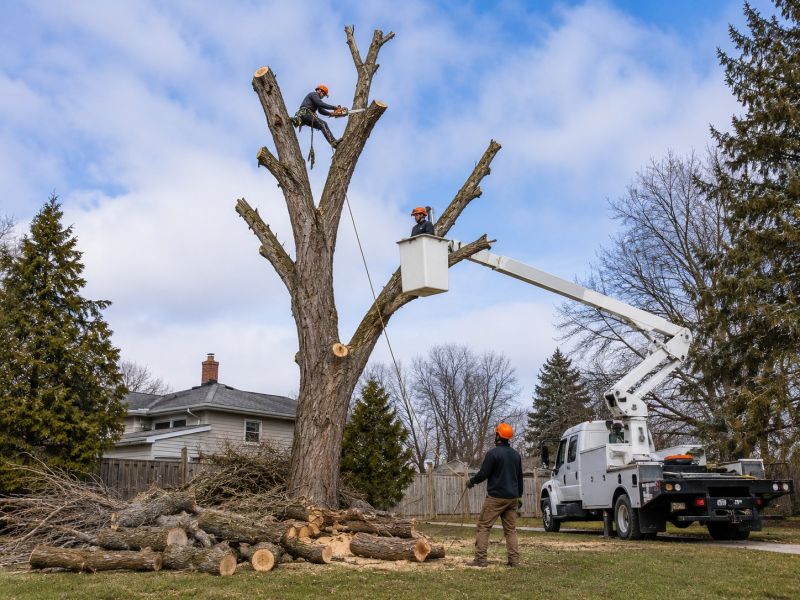
Dead tree removal services involve the safe and efficient elimination of trees that have died, become hazardous, or pose a risk to property. This process typically includes assessing the tree’s condition, planning the removal to prevent damage to surrounding structures or landscaping, and then carefully cutting and removing the tree and its debris. Projects often include removing storm-damaged trees, clearing dead or decaying trees near homes or power lines, and managing overgrown or hazardous trees in yards or landscapes.
Property owners considering dead tree removal should understand the importance of proper planning and safe execution to avoid damage or injury. It’s helpful to know the size and location of the tree, as well as any potential obstacles like nearby structures or utilities. Clarifying these details can ensure the removal process is smooth, minimizes disruption, and maintains the safety and appearance of the property.
Many property owners in Reno, NV look into Dead Tree Removal for repairs, replacements, upgrades, and appearance-related improvements.
Hazardous Tree Removal
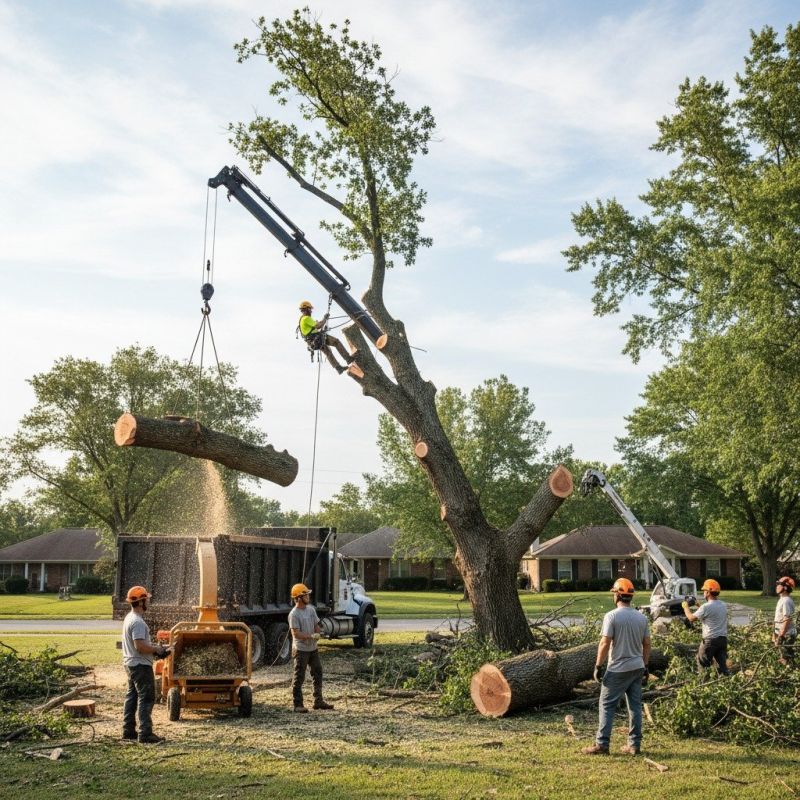
Removing dead or dying trees to prevent potential safety hazards on residential or commercial properties.
Property Improvement
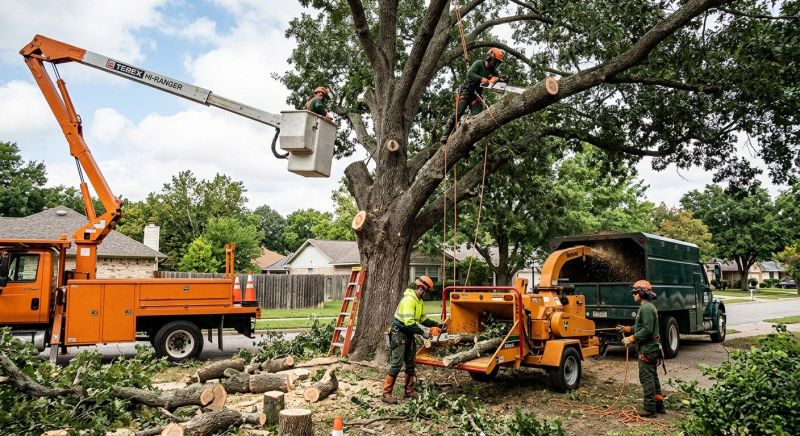
Clearing dead trees to enhance landscape appearance and create space for new planting or construction projects.
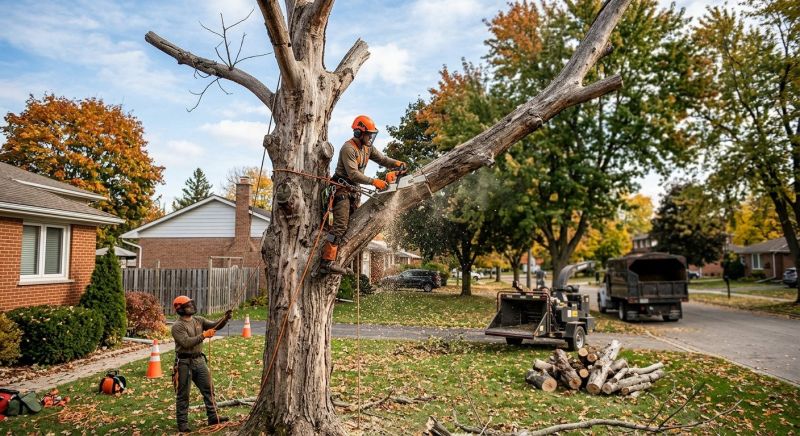
Storm Damage Cleanup
Removing fallen or damaged dead trees after storms to protect property and ensure safety in reno and nearby areas.
Dead Tree Removal in Reno, NV
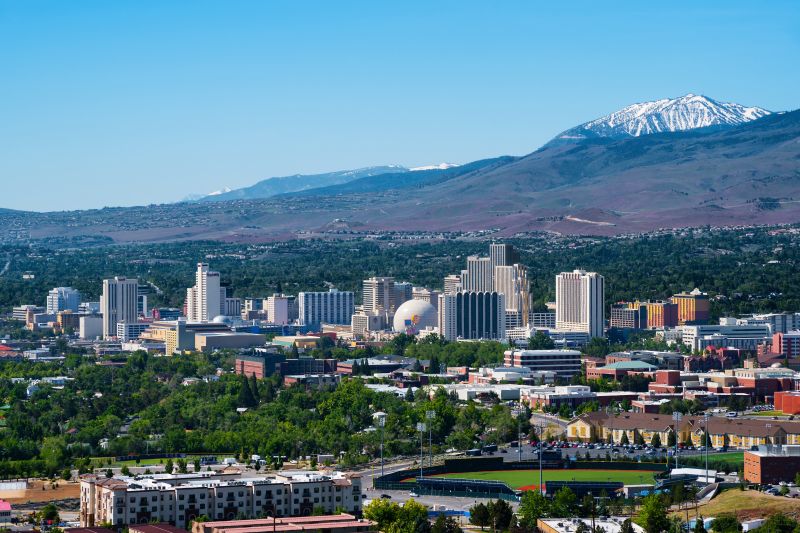
Dead tree removal services involve the safe and efficient elimination of trees that have died, become hazardous, or pose a risk to property. This process typically includes assessing the tree’s condition, planning the removal to prevent damage to surrounding structures or landscaping, and then carefully cutting and removing the tree and its debris. Projects often include removing storm-damaged trees, clearing dead or decaying trees near homes or power lines, and managing overgrown or hazardous trees in yards or landscapes.
Property owners considering dead tree removal should understand the importance of proper planning and safe execution to avoid damage or injury. It’s helpful to know the size and location of the tree, as well as any potential obstacles like nearby structures or utilities. Clarifying these details can ensure the removal process is smooth, minimizes disruption, and maintains the safety and appearance of the property.
Many property owners in Reno, NV look into Dead Tree Removal for repairs, replacements, upgrades, and appearance-related improvements.
Common Dead Tree Removal Jobs
Dead Tree Removal - safely eliminates hazardous or decayed trees from residential or commercial properties.
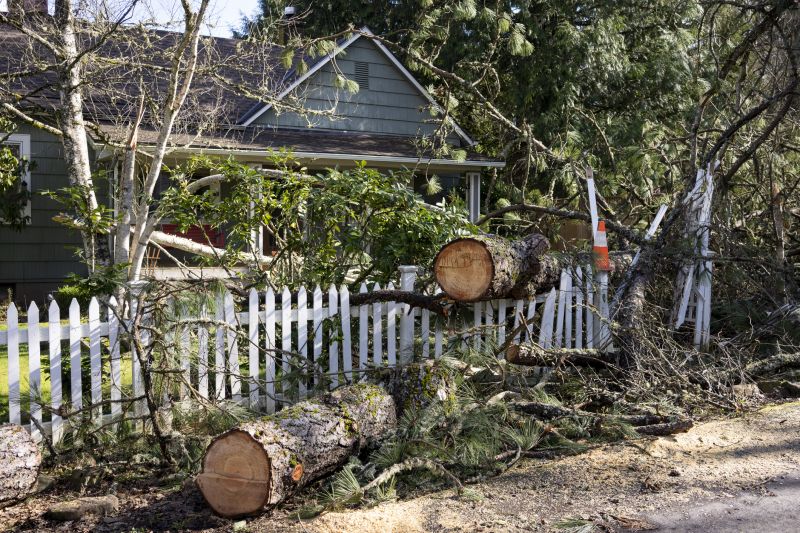
Storm-Damaged Tree Removal - clears trees that have fallen or are at risk of falling after severe weather.
Emergency Tree Removal - responds to urgent situations involving unstable or dangerous dead trees.
Selective Dead Tree Removal - targets specific trees to improve landscape safety and aesthetics.
Tree Crown Reduction - reduces the height or spread of dead branches to prevent damage or injury.
Stump Removal - removes remaining tree stumps after dead trees are taken down for safety and landscaping.
Dead Tree Removal Questions
Why is dead tree removal necessary? Removing dead trees helps prevent potential hazards such as falling branches or the entire tree, which can cause property damage or injury.
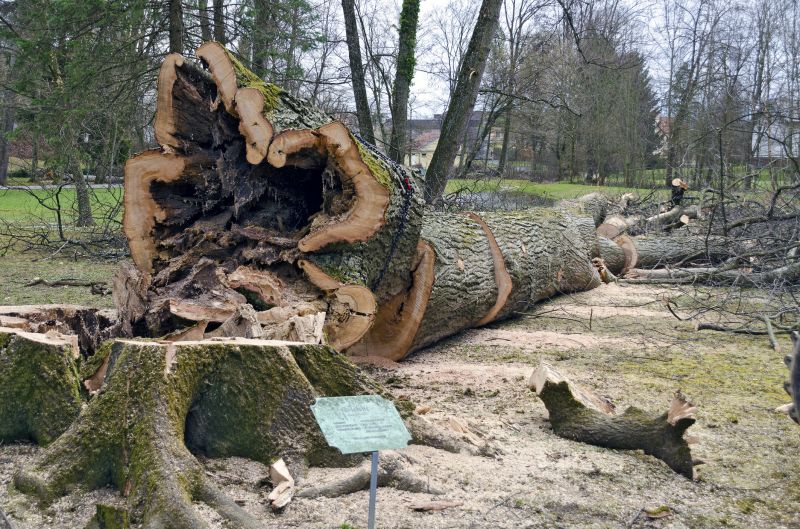
When should a dead tree be removed? A tree is typically considered dead when it shows signs like no leaf growth, cracked or decayed trunk, or extensive dead branches.
What are common signs of a dead tree? Signs include sparse or no foliage, dead or broken branches, and visible decay or fungi on the trunk.
Is dead tree removal safe to perform? Dead tree removal should be performed by experienced professionals to safely handle potential hazards and proper equipment use.
Request Dead Tree Removal in Reno, NV
Use the quote form on this page to share the basics of your project and request more information for the type of work you need.